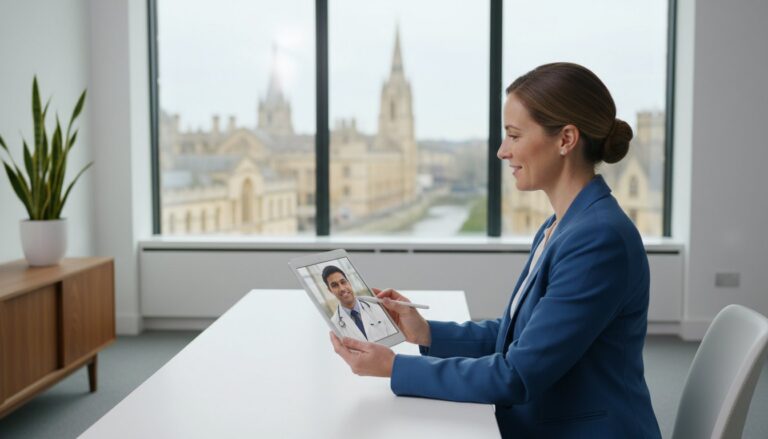
Did you know that workplace conflict now costs organizations over $414 billion annually in lost productivity? With 85% of employees experiencing some form of friction, the real question isn’t whether disputes will happen, but how to handle them before they spiral. Learning how to reduce workplace conflict and improve teamwork isn’t just about HR policies; it’s about understanding the human health and wellbeing triggers that sit beneath the surface of every disagreement.
You’ve likely felt the exhaustion of constant firefighting, watching talented staff leave because the office culture feels heavy or toxic. It’s frustrating when interpersonal clashes stall a project you know should be soaring. We believe that a harmonious workplace is a professional necessity and an essential human entitlement. In this 2026 guide, we’ll show you how to transform friction into high-performing synergy by taking an all-encompassing look at the hidden stress factors that fuel disputes. You’ll discover a proactive framework to prevent conflict, improve retention, and build a culture where your team truly thrives together.
Key Takeaways
- Recognize that workplace conflict extends beyond heated arguments to include subtle silos and passive-aggressive behaviours that quietly drain your team’s energy.
- Discover how to reduce workplace conflict and improve teamwork by identifying the hidden physical and mental health triggers that often sit at the root of interpersonal friction.
- Shift your strategy from reactive mediation to a proactive wellbeing culture, focusing on building a resilient workforce that can self-regulate and collaborate effectively.
- Understand why a panoramic approach to employee support, covering mental health, physical vitality, and financial stability, is essential for a durable and harmonious culture.
- Learn how integrating professional clinical support, such as a 24/7 Virtual GP, provides your staff with the tools they need to manage stress and maintain workplace synergy.
Defining Workplace Conflict and Its Impact on 2026 Businesses
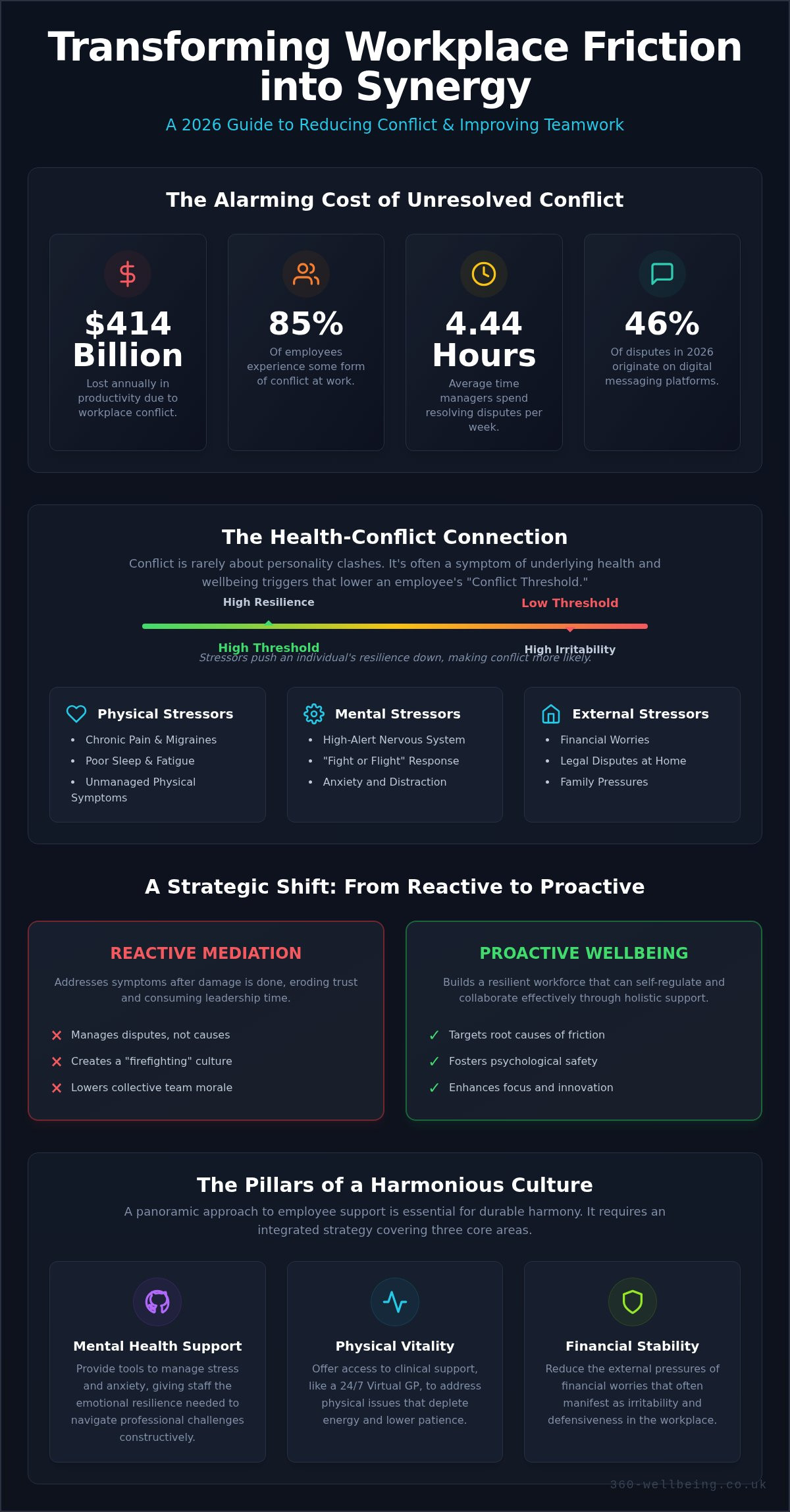
Workplace conflict is often misunderstood as a series of visible arguments or heated boardroom meetings. In reality, Organizational conflict encompasses a broad spectrum of behaviours, ranging from overt disagreements to the quiet erosion caused by passive-aggressive emails and departmental silos. By 2026, these dynamics have shifted significantly. With hybrid and remote models now the standard, 46% of disputes originate on digital messaging platforms like Slack or Microsoft Teams. These environments frequently lack non-verbal cues, making it easier for misunderstandings to fester into deep-seated resentment. Learning how to reduce workplace conflict and improve teamwork requires looking past the surface to the underlying stressors affecting your people.
The modern approach to leadership has moved away from simply “managing disputes” toward a more holistic strategy of cultivating harmony. This shift recognizes that conflict isn’t just a personality clash; it’s often a symptom of neglected wellbeing. When teams feel supported and healthy, their resilience increases, allowing them to navigate differences without falling into toxic patterns. Managers now spend an average of 4.44 hours per week resolving disputes, which is a significant drain on leadership capacity that could be better spent on strategic growth and innovation.
The True Cost of Unresolved Team Friction
The financial impact of friction is staggering. Research updated for 2026 shows that organizations lose over $414 billion in paid hours annually due to conflict. This “hidden tax” manifests most clearly through absenteeism, as employees frequently withdraw or take leave to avoid stressful interpersonal interactions. When one toxic relationship persists in a ten-person team, it doesn’t just affect the two individuals involved; it creates a ripple effect of anxiety that lowers the collective productivity and morale of the entire group. Beyond the immediate loss of hours, unresolved friction damages your brand reputation and forces a cycle of expensive recruitment as your best talent seeks a more supportive environment elsewhere.
Identifying Early Warning Signs of Conflict
Preventing a total breakdown starts with spotting the quiet signals of distress. You might notice subtle shifts in communication tone, such as shorter, colder responses in project threads, or unexpected delays in delivery from previously reliable staff. A telling indicator is an uptick in short-term sick leave, which often serves as an escape mechanism for employees overwhelmed by interpersonal stress. These micro-conflicts might seem minor in isolation, but they act as a slow-release toxin, eroding trust over time until a major dispute erupts. Understanding how to reduce workplace conflict and improve teamwork means addressing these triggers early, ensuring your team remains durable and focused on their shared goals.
The Health-Conflict Connection: Why Wellbeing Matters
Many leaders view interpersonal friction as a simple failure of communication or character. However, there is a deep, biological link between an individual’s health and their ability to collaborate. When we explore how to reduce workplace conflict and improve teamwork, we must consider the physiological state of the employees involved. Chronic pain, poor sleep, or unmanaged physical symptoms of stress significantly lower a person’s “conflict threshold.” A team member battling a persistent migraine or back pain simply doesn’t have the same emotional reserves to navigate a difficult conversation with patience or grace.
External stressors also play a silent but powerful role in office dynamics. Financial worries or legal disputes at home don’t stay at the front door; they bleed into the workplace as irritability, distraction, and defensive behaviour. By providing holistic support that addresses these outside pressures, you remove the biological tinder that allows small sparks of disagreement to catch fire. Taking a panoramic view of employee health means acknowledging that a person’s physical and financial security is directly tied to their professional conduct.
Stress and the Irritability Loop
In a corporate setting, the “fight or flight” response isn’t usually triggered by physical danger, but by perceived threats to status, security, or workload. When an employee is perpetually stressed, their nervous system remains on high alert, making them more likely to perceive a colleague’s neutral comment as a personal attack. Proactive health tools, such as 24/7 Virtual GP access, allow staff to resolve health anxieties quickly, preventing minor physical ailments from spiralling into office friction. Maintaining a calm team environment requires this kind of preventative care, ensuring that employees arrive at work with the mental and physical capacity to engage positively with one another.
Mental Health as a Foundation for Teamwork
Emotional regulation is the bedrock of any high-performing group. Normalizing the use of Mental Health Support helps employees develop the tools to process their emotions before they lash out at peers. Sometimes, what looks like a lack of cooperation or a “bad attitude” is actually a manifestation of social anxiety symptoms, leading individuals to withdraw or appear defensive in group settings. Integrating Life Coaching into your strategy can help these team members navigate interpersonal challenges with confidence. To truly transform your culture, it’s helpful to combine these wellbeing supports with proven conflict resolution strategies that emphasize empathy and active listening. If you’re ready to build a more resilient workforce, exploring a comprehensive employee assistance programme can provide the panoramic support your team deserves.
Reactive Mediation vs. Proactive Wellbeing Platforms
Traditional mediation is often the first tool businesses reach for when team friction becomes undeniable. While these sessions are necessary for resolving deep-seated disputes, they often feel like “too little, too late.” By the time a formal mediator is involved, trust has usually been broken and productivity has already stalled. True success in how to reduce workplace conflict and improve teamwork lies in moving away from reactive crisis management toward a proactive wellbeing strategy. This approach focuses on building a resilient workforce that possesses the emotional and physical resources to self-regulate before a disagreement turns into a disaster.
The financial logic for this shift is clear. While a comprehensive support platform requires a consistent investment, it’s a fraction of the cost of a single legal dispute or the recruitment fees associated with high staff turnover. When you consider that 40% of employees leave their jobs due to unresolved conflict, providing a “wellbeing safety net” becomes a matter of business durability. An Employee Assistance Programme (EAP) serves as a vital first line of defence, offering early intervention that addresses the personal stressors that fuel professional irritability.
Why Traditional Conflict Management Often Fails
One of the primary hurdles with traditional conflict management is the stigma of “being sent to HR.” This formal approach often triggers a defensive response, making employees feel punished rather than supported. Reactive measures also fail to address the root causes of friction, such as chronic burnout or external financial pressures. Formal grievance procedures are notoriously time-intensive, often dragging on for weeks and distracting entire departments from their core objectives. Without addressing the underlying wellbeing of the individuals involved, mediation only treats the symptoms while the underlying illness continues to fester.
The Proactive Advantage of Holistic Support
Building a culture of harmony starts with giving your people private, 24/7 access to the support they need. When employees know they can speak to a professional about their mental health or physical concerns at any time, it creates a profound sense of psychological security. This security reduces the defensive, “always-on” behaviours that lead to misunderstandings in a digital or hybrid environment. Using a modern corporate wellbeing platform isn’t just a perk; it’s a strategic tool for maintaining team synergy. By integrating Mental Health Support and 24/7 Virtual GP access, you empower your staff to manage their own stress levels. This foresight ensures they show up for their colleagues with a panoramic perspective, ready to collaborate rather than compete. It’s about creating an environment where health is a professional necessity, making it much easier to understand how to reduce workplace conflict and improve teamwork on a daily basis.
5 Strategic Steps to Reduce Conflict and Enhance Synergy
Transforming a fractured team into a unified force requires more than just a policy update; it demands a shift in how you support the whole person. When considering how to reduce workplace conflict and improve teamwork, you need a roadmap that addresses the biological, psychological, and social factors that influence behaviour. These five steps provide a clear path toward a more durable and harmonious culture.
- Step 1: Implement a panoramic wellbeing strategy. Move beyond basic health perks to a strategy that covers physical, mental, and financial health. This ensures no area of an employee’s life is left to fester into workplace irritability.
- Step 2: Appoint and train Mental Health Champions. These individuals act as an early warning system, spotting the subtle signs of friction before they escalate into formal disputes.
- Step 3: Provide 24/7 GP and EAP access. Immediate access to medical and psychological support through an Employee Assistance Programme lowers the overall stress levels of the team, preventing minor health anxieties from becoming office arguments.
- Step 4: Foster open communication through check-ins. Regular, low-pressure conversations about wellbeing ensure that small misunderstandings are resolved before they become entrenched.
- Step 5: Reward positive teamwork. Use a recognition system like 360 Rewards to incentivise collaborative behaviour, making synergy a visible and valued part of your company culture.
Building a Culture of Open Communication
Managers play a pivotal role in creating an environment where employees feel safe to voice concerns. By facilitating “low-stakes” feedback loops, leaders can identify project delivery delays or shifts in tone before trust is eroded. Psychological safety is the foundation of this process; it allows team members to admit mistakes or ask for help without fear of judgment. Implementing regular, structured wellbeing check-ins ensures that micro-conflicts are identified and defused in their infancy, preventing the slow accumulation of resentment that leads to toxic silos.
Leveraging Benefits to Boost Morale
Feeling genuinely “cared for” by an employer has a profound psychological impact on how an individual interacts with their peers. When you provide tools like Financial Support and Debt Advice, you’re directly addressing the external stressors that often bleed into professional life as defensiveness or withdrawal. Legal Support and Complimentary Will Writing further enhance this sense of security, allowing employees to focus on their roles rather than their worries. By using 360 Rewards to acknowledge those who go above and beyond to support their colleagues, you reinforce a culture of mutual respect. If you want to see these results in your organization, explore our holistic wellbeing platform to discover how panoramic support can change your team’s trajectory.
Implementing a Holistic Solution with 360 Wellbeing
The 360 Wellbeing platform brings all these moving parts together into one accessible app. It’s designed to simplify the complex health journey for your staff by centralizing 24/7 Virtual GP access, Mental Health Support, and an Employee Assistance Programme (EAP). This integration is key to understanding how to reduce workplace conflict and improve teamwork. When support is fragmented, employees often give up before they find the help they need. Our platform ensures that clinical expertise and empathetic care are always just a few taps away, providing a unified safety net for your entire workforce.
The 24/7 Virtual GP service is particularly effective at reducing absenteeism and health-related irritability. When an employee can speak to a UK-registered GP from their home or office at any time, they don’t have to endure the stress of waiting days for an appointment. Similarly, our EAP provides a confidential outlet for team members to process interpersonal challenges with professional therapists. This foresight allows them to return to their desks with a clearer mind and a more collaborative spirit, defusing potential friction before it impacts the wider group.
Total Wellness: The 360 Approach
True workplace harmony comes from the synergy between physical, mental, and social health. It’s a professional necessity and an essential human entitlement, not a luxury. When you launch an employee wellbeing platform that staff actually use, you’re investing in the long-term durability of your organization. The ROI of a conflict-free team is seen in reduced recruitment costs, improved retention, and a significant boost in collective productivity. By addressing the root causes of friction, you create a culture where vitality and synergy are the standard.
Getting Started with 360 Wellbeing
We’ve made the transition to a holistic culture as seamless as possible for UK employers. Our subscription model operates on a per-employee basis, making it a scalable and predictable investment for both SMEs and large organizations. Onboarding is straightforward and supported by dedicated account management to ensure your team feels empowered from day one. We act as your knowledgeable partner, looking out for the long-term interests of your staff rather than just providing a one-off service. This methodical approach ensures that your path toward a more harmonious 2026 is clear, safe, and structured.
Discover how 360 Wellbeing can transform your workplace culture today and start building a more resilient, high-performing team that thrives on collaboration instead of conflict.
Cultivating a Durable Culture of Workplace Harmony
Reducing team friction isn’t just about managing arguments; it’s about nurturing the individuals behind the roles. We’ve explored how physical ailments, mental fatigue, and external stresses act as silent triggers for office disputes. By shifting from reactive mediation to a panoramic wellbeing strategy, you provide your staff with the internal resilience they need to thrive together. Understanding how to reduce workplace conflict and improve teamwork starts with recognizing that health is a professional necessity and a fundamental entitlement.
With 24/7 access to UK-registered Virtual GPs and comprehensive Mental Health and EAP support, your team can resolve personal worries before they bleed into professional life. Adding positive reinforcement through 360 Rewards further strengthens these social bonds, offering thousands of discounts that celebrate their collaborative efforts. Providing this level of care shows your people that you’re invested in their long-term success, not just their daily output.
Book a demo of the 360 Wellbeing platform to improve your team’s harmony
It’s time to move toward a proactive vision of vitality and synergy. Your team’s greatest successes are built on a foundation of collective wellness, and we’re here to help you lead that transformation with confidence and compassion.
Frequently Asked Questions
What are the most common causes of workplace conflict in the UK?
Personality clashes account for 49% of disputes, while a lack of trust is cited by 73% of employees. In the UK, common causes include poor communication in hybrid environments and unmanaged stress. External factors like debt or legal issues often bleed into the office. These stressors lower an individual’s patience, turning minor misunderstandings into significant friction between colleagues and departments.
How does employee wellbeing affect teamwork and productivity?
Healthy employees have more emotional reserves to handle pressure without becoming defensive. When wellbeing is neglected, the body stays in a “fight or flight” state, making irritability more likely. High productivity relies on a team’s ability to self-regulate and communicate clearly. A panoramic approach to health ensures that physical pain or mental fatigue doesn’t sabotage the collective synergy of your workforce.
Can an Employee Assistance Programme (EAP) really reduce team arguments?
An EAP serves as a confidential safety net, allowing staff to process interpersonal stress before it boils over. By offering therapy and life coaching, it helps individuals develop the emotional tools needed for self-regulation. This proactive support is a cornerstone of how to reduce workplace conflict and improve teamwork. It ensures that personal struggles don’t manifest as professional arguments, keeping the office atmosphere calm.
What is the difference between conflict resolution and conflict prevention?
Resolution is a reactive process that begins after a dispute has already caused damage. It often involves time-intensive mediation or formal grievance procedures. Prevention is a proactive strategy that builds resilience through continuous support. It addresses the underlying triggers of friction, such as burnout or financial anxiety, long before they turn into arguments. Prevention focuses on creating a durable culture where conflict rarely starts.
How can a Virtual GP service help reduce workplace stress?
Access to a Virtual GP removes the stress of waiting for medical appointments, providing immediate reassurance for health concerns. When employees feel physically well and supported, their “conflict threshold” remains high. They’re less likely to be distracted by unmanaged pain or health anxieties. This service reduces absenteeism and ensures that staff arrive at work with the mental capacity to engage positively with their peers.
What role do managers play in preventing team friction?
Managers act as the first line of defence by fostering psychological safety and open communication. They should use regular wellbeing check-ins to identify micro-conflicts before they escalate. By training as Mental Health Champions, leaders can spot subtle signs of distress, such as shifts in tone or project delays. Their role is to provide empathetic support and guide employees toward professional resources before friction turns into a crisis.
How do I introduce a wellbeing platform to a skeptical team?
Start by emphasizing that the platform is a private, confidential benefit designed for their personal support. Focus on immediate, tangible value like 24/7 Virtual GP access or the savings available through 360 Rewards. Frame wellbeing as an essential human entitlement rather than a corporate requirement. When employees realize the support is for their long-term health and financial security, they’re more likely to embrace the tool.
Is workplace conflict always a bad thing for a business?
Constructive disagreement over ideas can drive innovation, but interpersonal friction is almost always destructive. Unresolved disputes drain productivity and are a leading cause of staff turnover. Learning how to reduce workplace conflict and improve teamwork ensures that differences of opinion don’t turn into toxic silos. A harmonious culture allows a business to focus its energy on growth rather than constant firefighting and expensive dispute resolution.